
Instructions for Use
Intended Use
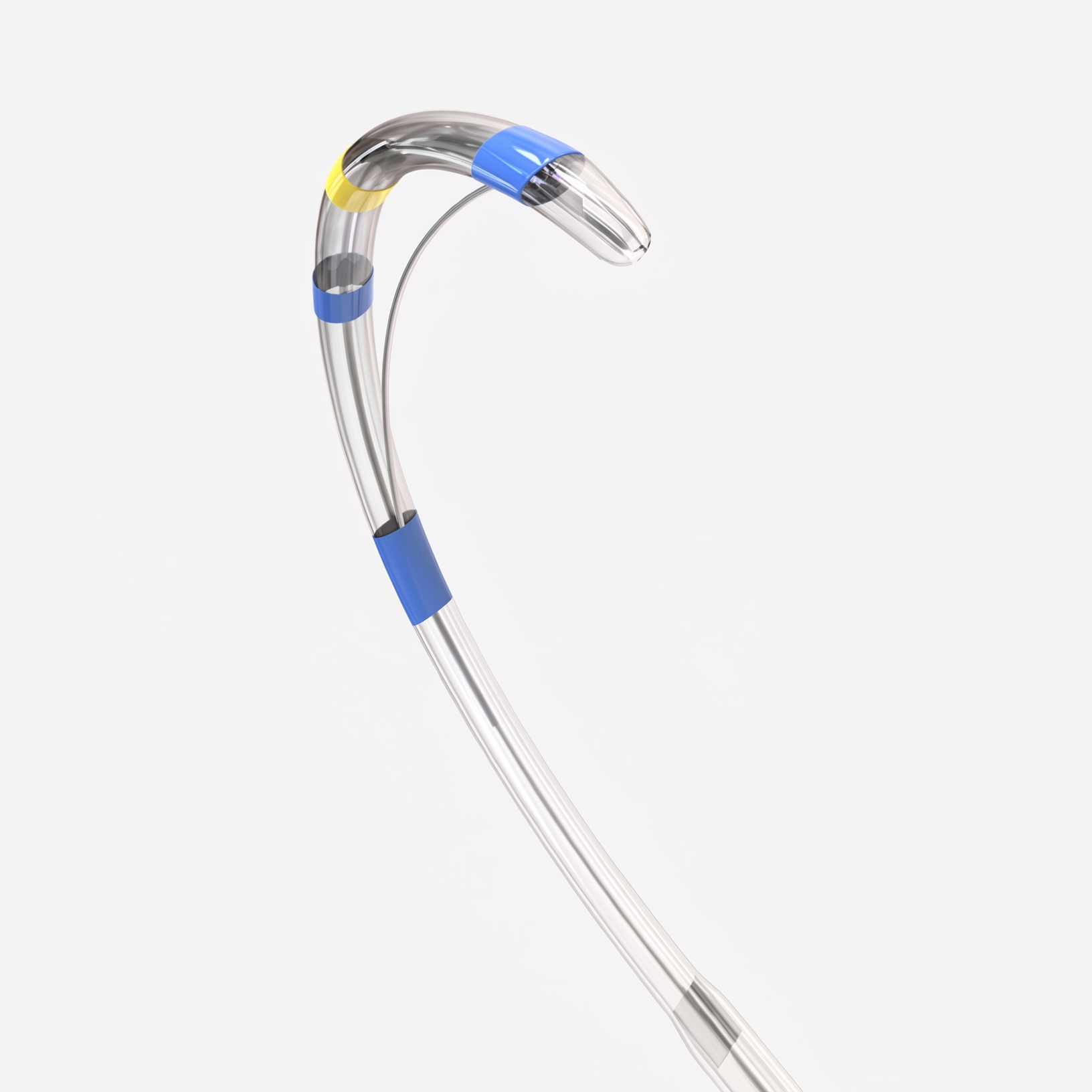
The KINDMED™ Triple Lumen Sphincterotome is intended for selective cannulation of the biliary ductal system during Endoscopic Retrograde Cholangiopancreatography (ERCP) procedures and for endoscopic sphincterotomy of the Papilla of Vater and/or the Sphincter of Oddi.
The device may also be used for the injection of contrast media during diagnostic and therapeutic ERCP procedures.
The device is supplied sterile and is intended for single-patient use only.
Contraindications
The device should not be used in patients with conditions that contraindicate ERCP or endoscopic sphincterotomy procedures, including but not limited to:
- Uncontrolled coagulation disorders.
- Inability to appropriately position the cutting wire.
- Severe inflammation or fragility of gastrointestinal tissues.
- Acute peritonitis.
- Gastrointestinal perforation.
- Intestinal obstruction.
- Active systemic infection or sepsis.
- Severe cardiopulmonary disease where endoscopic intervention presents unacceptable risk.
- Recent gastrointestinal anastomosis.
- Pregnancy when the potential risks outweigh clinical benefits.
The treating physician should evaluate all contraindications prior to use.
Potential Adverse Events
Potential complications associated with ERCP and sphincterotomy procedures may include:
- Hemorrhage
- Hematoma formation
- Cholangitis
- Pancreatitis
- Stone impaction
- Septicemia
- Local or systemic infection
- Allergic reaction to contrast agents
- Perforation of the gastrointestinal tract
- Duodenal or gastric injury
- Mucosal trauma
- Abdominal pain
- Abscess formation
- Delayed bleeding
- Vessel injury
- Thermal injury associated with electrosurgical energy
Rare hypersensitivity reactions may occur.
Warnings
- Do not use if the sterile package is damaged, opened, or compromised.
- The device is intended for single use only.
- Do not reuse, reprocess, or resterilize.
- Reuse may result in contamination, infection, device malfunction, or patient injury.
- Inspect the device thoroughly before use.
- Discard any device showing signs of damage or malfunction.
- Personnel should wear appropriate protective equipment during electrosurgical procedures.
- Avoid contact with energized conductive components while electrical current is being applied.
- Improper use of electrosurgical equipment may result in burns, electrical injury, or tissue damage.
- Dispose of used devices in accordance with institutional and local regulations.
Precautions
- Use only with endoscopes having a minimum working channel of 2.8 mm.
- Ensure compatibility between the selected guidewire and guidewire lumen.
- Contrast injection should be monitored fluoroscopically whenever appropriate.
- Excessive contrast injection into the pancreatic duct may increase the risk of pancreatitis.
- Confirm proper operation of the slider mechanism before patient use.
- Examine the cutting wire for damage prior to insertion.
- Use caution when manipulating the device through angulated sections of the endoscope.
Instructions for Use
Preparation
- Remove the device from the sterile packaging using aseptic technique.
- Inspect the device for defects, damage, or abnormalities.
- Verify smooth operation of the slider mechanism.
- Inspect the cutting wire for integrity.
- Remove the stylet according to procedural requirements.
Device Placement
- Introduce the sphincterotome through the endoscope working channel.
- Advance the device until the distal tip is visible endoscopically.
- Adjust the device orientation using the rotator as needed.
- Position the distal end at the desired cannulation site.
Cannulation and Sphincterotomy
- Advance the guidewire through the guidewire lumen if required.
- Inject contrast media through the injection lumen as clinically indicated.
- Confirm correct positioning fluoroscopically and/or endoscopically.
- Connect the electrosurgical generator using a compatible active cord.
- Apply short bursts of electrosurgical energy while gradually tensioning the cutting wire.
- Continue the incision until the desired sphincterotomy has been achieved.
- Maintain separation between energized components and endoscope hardware to prevent short circuits.
Device Removal
- Disconnect all electrical connections.
- Turn off the electrosurgical generator.
- Carefully withdraw the device from the endoscope.
- Inspect the device following removal.
Change in Performance
If device performance appears compromised or the device no longer functions as intended, discontinue use and manage the patient according to physician judgment and clinical circumstances.
Disposal
Following use, the device should be treated as potentially biohazardous waste and disposed of in accordance with hospital, local, state, and national regulations.
Storage Conditions
Store in a clean, dry environment at normal room temperature.
Avoid exposure to:
- Direct sunlight
- Excessive heat
- Moisture
- Corrosive environments
Do not use beyond the expiration date indicated on the package labeling.
Limited Warranty
KINDMED DEVICES PRIVATE LIMITED warrants that this product has been manufactured in accordance with established quality management procedures and applicable manufacturing specifications.
Because handling, storage, transportation, clinical techniques, and patient-specific conditions are beyond the manufacturer’s control, no guarantee is made regarding clinical outcomes.
The manufacturer’s liability is limited to replacement of defective products. KINDMED DEVICES PRIVATE LIMITED shall not be liable for incidental, indirect, or consequential damages arising from product misuse, modification, reprocessing, resterilization, or reuse.
Manufacturer
KINDMED DEVICES PRIVATE LIMITED
1st Floor, Plot No. 175B
Dada Nagar Industrial Area
Kanpur Nagar, Uttar Pradesh – 208022, India
KINDMED™ is a trademark of KINDMED DEVICES PRIVATE LIMITED.
